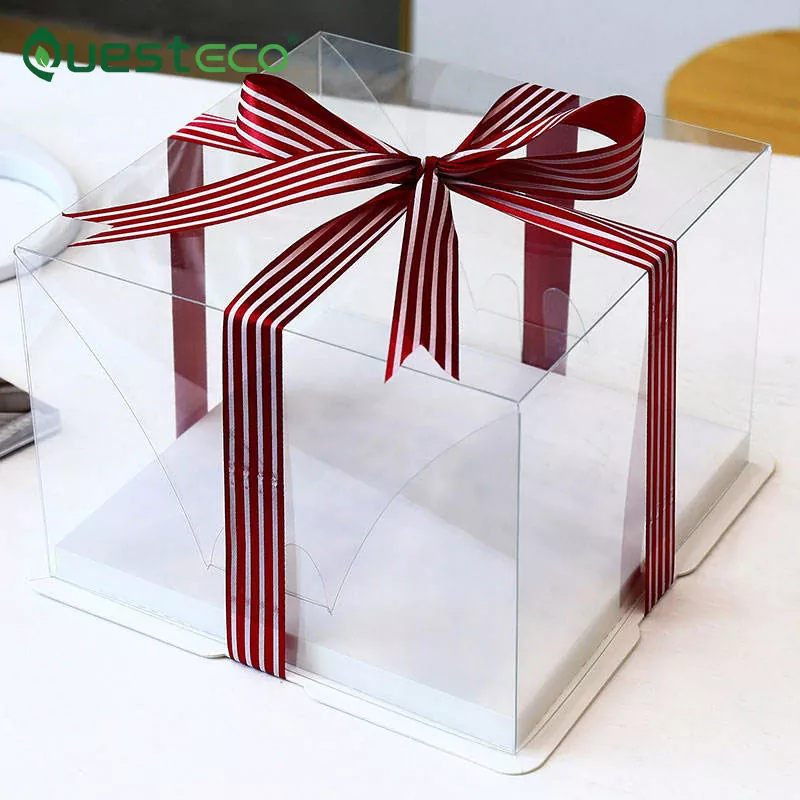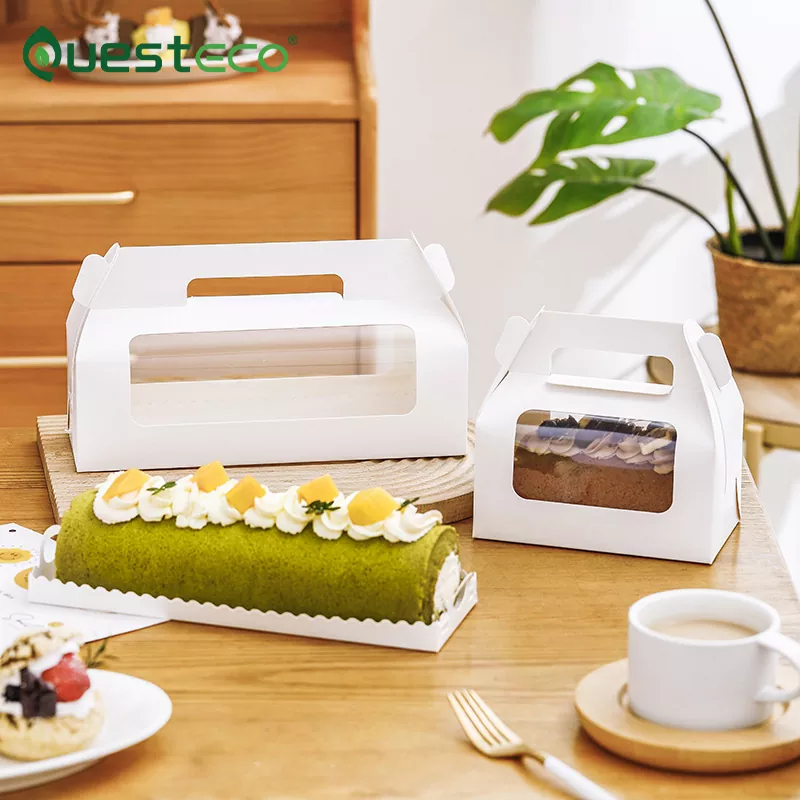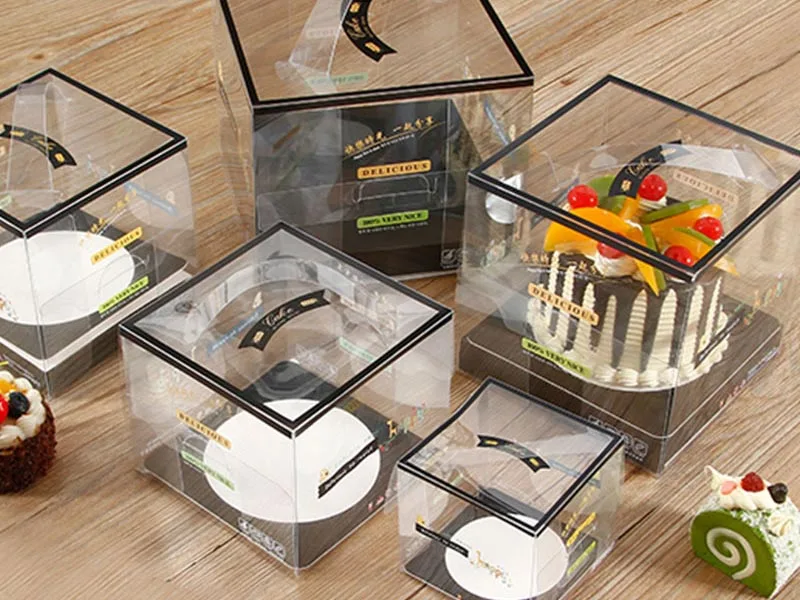

Packaging procurement teams often move forward with large‑volume orders after approving handmade lab‑samples of PVC‑window gift paper boxes. Samples deliver clean window bonding, crisp die‑cut edges and ideal visual presentation. Many subtle failure triggers only emerge under high‑speed mass‑production plus ocean‑freight logistics cycles.

Most buyers only verify PVC film thickness on submitted samples.
Identical gauge does not guarantee consistent anti‑yellowing performance or surface energy. Recycled‑content variance within PVC sheets will lead to visible discoloration after several months of retail shelf display.
Qcecopack implements two‑step incoming screening for every new PVC delivery:
Prototype samples are produced with brand‑new sharp dies. Millions of cutting cycles gradually dull blade edges.
Micro‑tears on paper‑board around the PVC window opening stay invisible while boxes lie flat. Once end‑users fold and erect gift boxes, small rips propagate and ruin the finished appearance.
Fixed production‑volume triggers enforce die‑blade re‑sharpening. Periodic cross‑section sampling checks aperture‑edge integrity through each full production campaign.
Hand‑made samples use slow, carefully calibrated hot‑press cycles. On mass‑production converting lines, minor drift of temperature, pressure or dwell‑time creates invisible weak‑bond zones along the PVC‑paper interface.
Standard visual QC cannot detect latent delamination. Failures appear weeks later during storage or retail‑environment humidity fluctuation.
Sample boxes are kept inside climate‑controlled dry labs. Sea‑freight container environments bring sustained high relative humidity for multiple weeks.
Paper‑board absorbs ambient moisture, changing physical stiffness and putting shear stress onto the glued PVC‑window perimeter. This can trigger partial window lifting even when initial bonding passed all factory checks.
Finished packed pallets go through humidity‑chamber simulation. Post‑examination peel‑tests confirm bond stability under realistic overseas‑shipping conditions.
Many gift‑box designs place printed graphics very close to the PVC‑window edge. If incorrect ink formulations are used, substance‑migration risks appear for gift‑items in direct contact.
Switching ink batches without re‑validation creates compliance blind‑spots, even if printed colours visually match approved samples.
Every new ink lot completes migration‑relevant spot‑verification to align with global packaging‑safety requirements.
Prototype sample‑test certificates hold zero validity for serial‑production batches. Global gift‑brand incoming‑QA and retail‑chain supplier audits demand aggregated batch‑tied records.
Required records include: PVC‑film incoming‑test logs, hot‑press bonding‑validation data, humidity‑simulation reports and ink‑safety‑verification results.
Qcecopack compiles unified project‑linked English‑language dossiers, removing documentation‑gap‑driven shipment‑hold‑up risks for cross‑border packaging buyers.