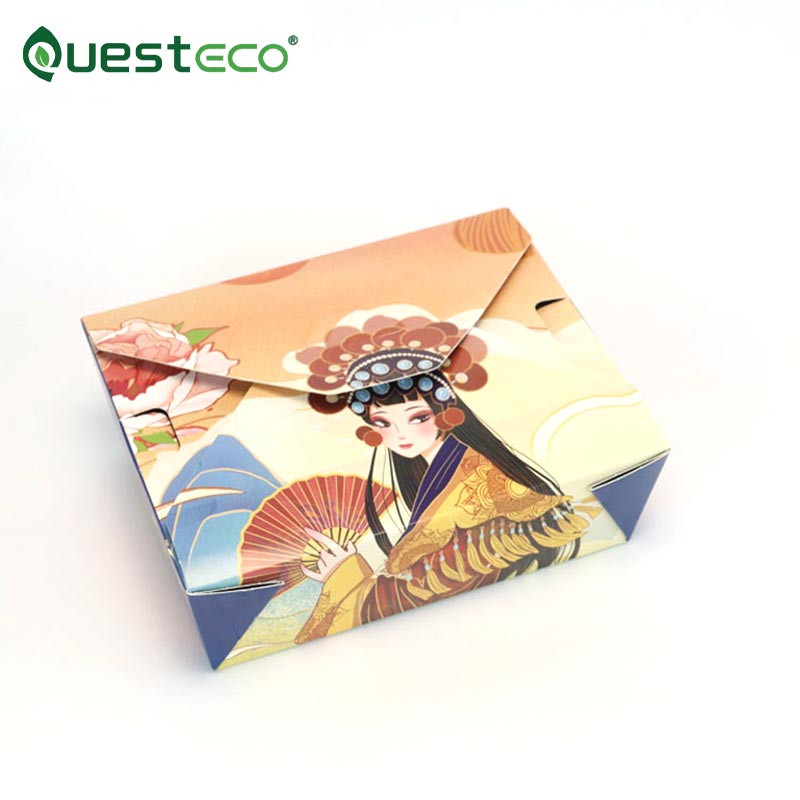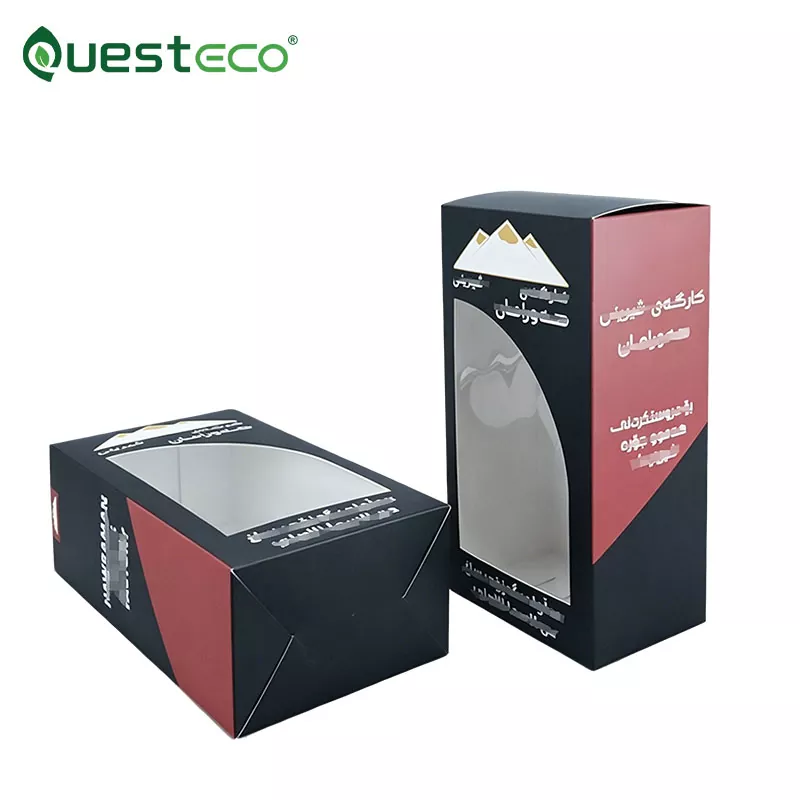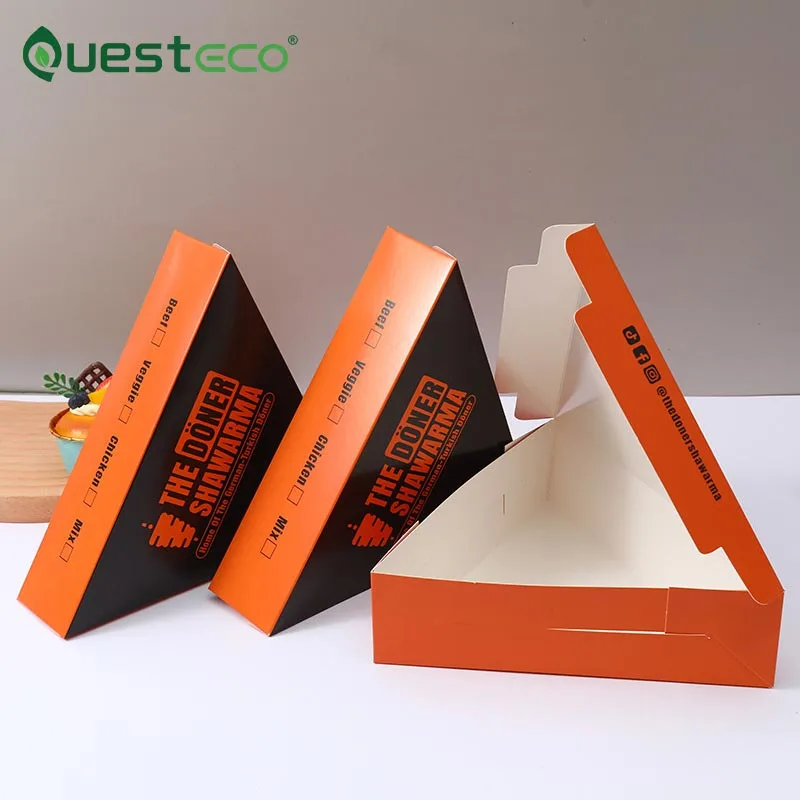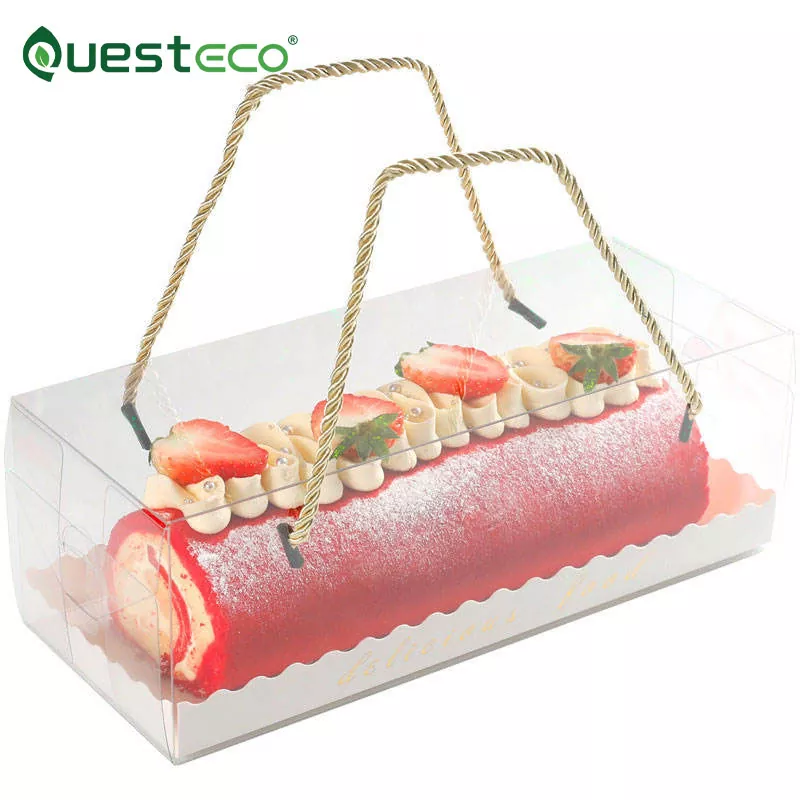

A sandwich box may look like a simple food container, but its performance can directly affect food freshness, presentation, transport, storage, and customer satisfaction. From takeaway restaurants and cafés to catering businesses, supermarkets, meal-preparation companies, and food brands, the right sandwich box needs to balance protection, convenience, appearance, and packaging efficiency.
This guide explores the essential characteristics of a practical sandwich box, including material selection, structural design, food protection, closure performance, portability, customization, and purchasing considerations. It also explains how businesses can choose packaging that fits their products and operating conditions rather than selecting a container based only on appearance or price.
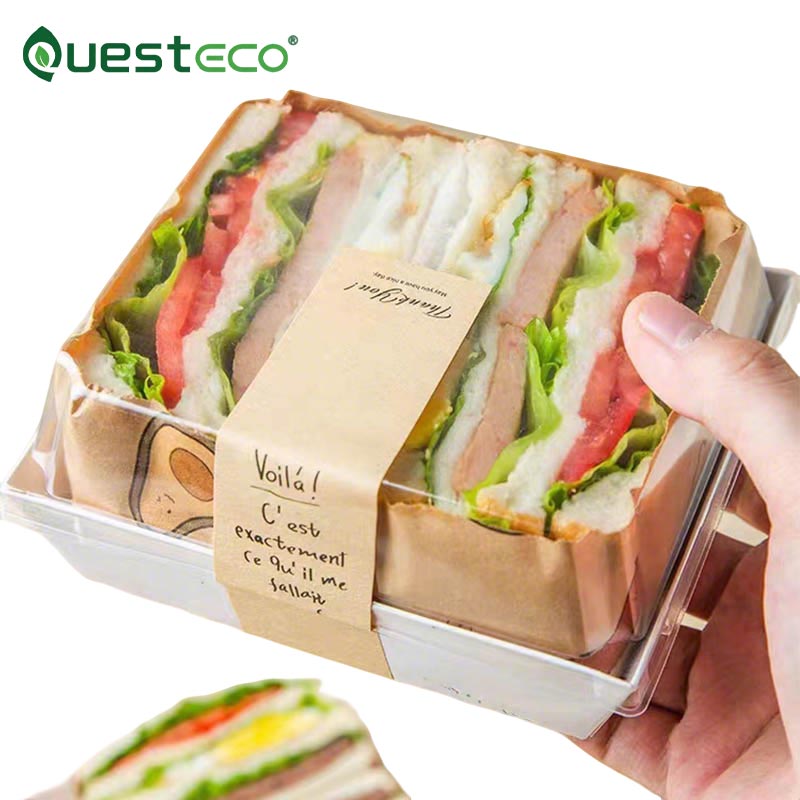
A sandwich box is a food packaging container designed to hold, protect, transport, display, or serve sandwiches and similar prepared foods. Depending on the application, it can be made from paperboard, plastic, molded fiber, or other food-contact materials.
Although sandwiches are often relatively lightweight, their structure creates several packaging challenges. Bread can become compressed, fillings can shift, sauces can leak, vegetables can release moisture, and condensation can affect texture. A container therefore needs to provide enough internal space and structural protection without becoming unnecessarily large.
The ideal design depends on the food itself. A compact sandwich with dry ingredients may require a different structure from a large sandwich containing sauces, fresh vegetables, meat, or multiple layers.
Packaging directly interacts with the practical problems faced by food businesses. A container that looks attractive but collapses during transportation may create more problems than it solves. Likewise, a strong container that is unnecessarily large can increase storage requirements and packaging costs.
Several factors make box design especially important:
For commercial buyers, these characteristics should be evaluated together. Packaging performance is usually determined by the interaction between material, dimensions, structure, closure method, and intended food application.
Sandwich boxes can be produced from different materials, and each material family provides a different balance of rigidity, moisture resistance, appearance, weight, and processing requirements.
| Material Type | Typical Characteristics | Potential Applications |
|---|---|---|
| Paperboard | Lightweight, printable, easy to customize, suitable for branded presentation | Sandwiches, bakery products, cafés, takeaway food |
| Plastic | Rigid, moisture-resistant, transparent options available, suitable for certain reusable or takeaway applications | Prepared sandwiches, chilled food, meal preparation |
| Molded Fiber | Natural appearance, rigid structure, suitable for businesses seeking fiber-based packaging formats | Food service, takeaway meals, prepared foods |
| Paper-Based Composite Structures | Can combine structural support with additional functional layers depending on design | Food service and specialty packaging applications |
Food-contact suitability should always be evaluated according to the intended food, temperature, contact conditions, and applicable regulations in the target market. The U.S. Food and Drug Administration explains that food-contact substances are evaluated according to their intended use, and the regulatory status of a food-contact material depends on the substances that make up the article. :contentReference[oaicite:1]{index=1}
A practical sandwich box should be designed around the actual problems encountered during food preparation and delivery. Important features can include:
One of the most common packaging mistakes is using one box structure for every product. Sandwiches vary significantly in thickness, ingredient moisture, filling volume, and transportation requirements.
| Food Application | Main Packaging Concern | Useful Design Consideration |
|---|---|---|
| Classic sandwiches | Shape retention and presentation | Rigid structure and well-fitted dimensions |
| Large filled sandwiches | Compression and internal movement | Greater internal height and stronger structure |
| Saucy sandwiches | Moisture and leakage | Appropriate barrier and secure closure |
| Chilled sandwiches | Condensation and temperature conditions | Material and ventilation design suited to the application |
| Catering portions | Transport and stacking | Stable geometry and efficient stacking |
| Premium sandwiches | Product presentation | Higher-quality printing, finishing, or display features |
The most suitable solution is therefore application-specific. A supplier should understand the dimensions, weight, ingredients, storage conditions, transportation method, and expected customer experience before recommending a packaging structure.
Commercial purchasing involves more than comparing the unit price of different sandwich boxes. A lower purchase price may not represent a lower total packaging cost if the box causes higher product damage, slower packing, excessive storage requirements, or inconsistent presentation.
Businesses should evaluate the following areas:
Customization allows food businesses to develop packaging around their products and brand identity rather than adapting their products to a standard container.
Common customization options include:
For established food brands, packaging customization can also create greater consistency across different product lines. A recognizable box structure can help customers identify a product before opening it, while printed information can communicate ingredients, handling instructions, brand details, or other relevant information.
Wenzhou City Qingchen Packaging Co., Ltd. can be considered when businesses need to discuss customized packaging requirements, product dimensions, structural solutions, and branding applications. For B2B packaging projects, clear communication about the product and operating conditions is essential before finalizing a design.
The following comparison provides a practical starting point when evaluating packaging materials. Actual performance depends on the specific material grade, construction, manufacturing process, and intended application.
| Evaluation Factor | Paperboard | Plastic | Molded Fiber |
|---|---|---|---|
| Brand Printing | Generally strong | Depends on process | Depends on surface and process |
| Structural Rigidity | Good when properly designed | Generally high | Good for suitable applications |
| Moisture Resistance | Depends on construction and barrier | Generally strong | Depends on material treatment |
| Product Visibility | Can incorporate a window | Transparent options available | Usually limited |
| Customization | Wide range of structural and graphic options | Shape and color options depend on manufacturing | Shape and finish depend on production process |
Even experienced food businesses can encounter packaging problems when the purchasing process focuses too heavily on one specification.
A practical quality evaluation should consider both the empty package and the completed food application.
Food packaging materials should also be handled according to their intended use. U.S. food-safety guidance emphasizes that food-packing materials should be adequate for their intended purpose and should be cleanable or designed for single use, with appropriate measures when reusable packaging is involved. :contentReference[oaicite:3]{index=3}
For commercial projects, buyers should keep approved samples and specifications so that future production batches can be compared against an established reference.
Its primary purpose is to contain and protect a sandwich during storage, handling, transportation, display, and consumption. A well-designed box can also improve presentation and simplify food-service operations.
Yes. Depending on the manufacturing process, businesses can customize dimensions, structures, printing, colors, finishes, closure systems, and other packaging details.
Measure the finished sandwich rather than the ingredients individually. Consider length, width, height, filling volume, compression sensitivity, and how much movement should be allowed inside the package.
That depends on the food. Sandwiches containing sauces, dressings, oily ingredients, or high-moisture fillings require more careful consideration of the material, seams, closure, and internal structure.
No. Suitability depends on the specific material and intended conditions of use. Businesses should confirm temperature limitations and relevant food-contact documentation before using packaging with hot foods.
Yes, depending on the packaging structure and manufacturing process. A window can allow customers to see the product while retaining the structural advantages of a paper-based package.
Important information can include material specifications, dimensions, sample availability, customization options, minimum order quantity, production lead time, packaging configuration, and applicable food-contact documentation.
Samples allow businesses to evaluate actual fit, closure performance, product presentation, stacking, handling, and transportation behavior before committing to a larger production order.
A sandwich box is a small packaging format with a surprisingly broad range of performance requirements. The right solution needs to protect the food while also fitting the operational realities of restaurants, cafés, catering businesses, food manufacturers, retailers, and delivery services.
Material, structure, dimensions, moisture management, closure performance, stacking, presentation, customization, and intended use should all be considered before making a purchasing decision. Rather than choosing packaging based only on appearance or unit price, businesses can achieve better results by testing the container with the actual food product and evaluating the complete packaging process.
For businesses looking for customized food packaging solutions, Wenzhou City Qingchen Packaging Co., Ltd. can work with customers to discuss product requirements, dimensions, structural details, branding needs, and bulk packaging applications.
Whether you need standard sandwich packaging or a customized solution for a specific food product, the right packaging can help improve protection, presentation, handling efficiency, and brand consistency.
Share your sandwich dimensions, material requirements, order quantity, printing needs, and target application with Wenzhou City Qingchen Packaging Co., Ltd. to discuss a suitable packaging solution. Contact us.