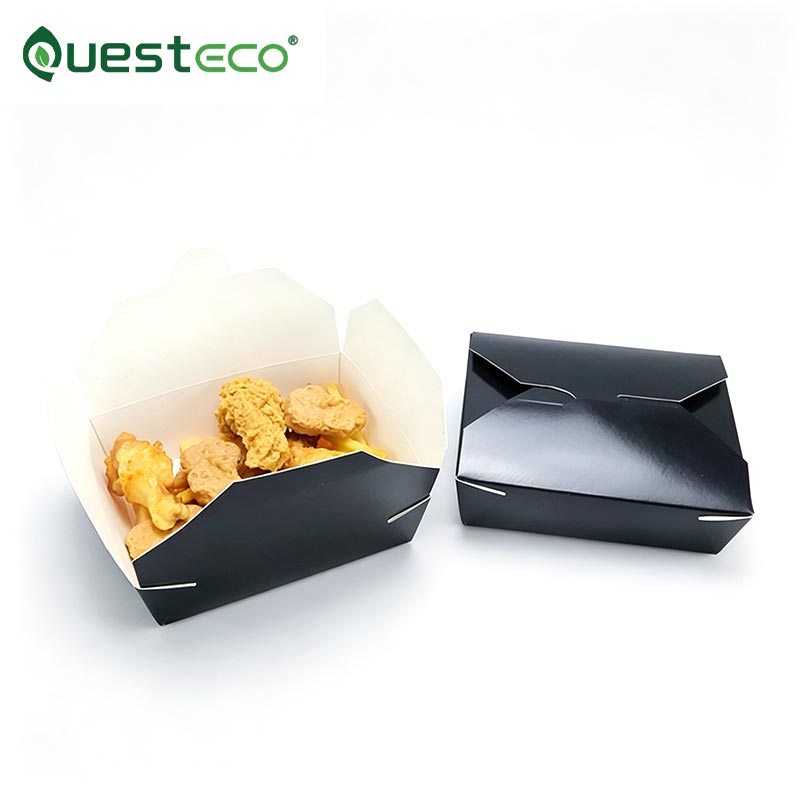

A well-designed fries chicken box is much more than a simple container. It needs to protect crispy food during transportation, manage heat and moisture, prevent oil leakage, provide convenient handling, and present a professional brand image. This guide explains the key materials, structural features, ventilation considerations, printing options, customization requirements, and supplier evaluation points that food businesses should consider before purchasing fries chicken boxes. Whether you operate a fast-food restaurant, takeaway shop, catering business, food delivery brand, or wholesale packaging business, the right box can help reduce packaging problems while creating a better customer experience.
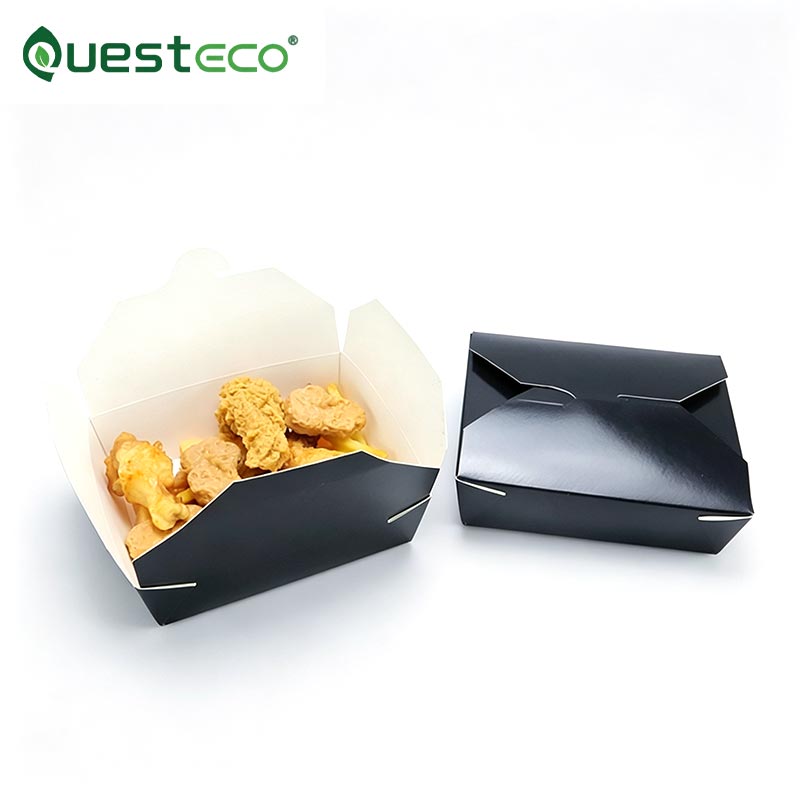
Table of Contents
- Why Does a Fries Chicken Box Matter?
- What Packaging Problems Do Fried Chicken Businesses Face?
- What Features Should a Fries Chicken Box Have?
- How Do Different Materials Affect Performance?
- How Should a Fries Chicken Box Be Designed?
- How Can Custom Printing Strengthen a Food Brand?
- How Can Buyers Choose a Reliable Packaging Supplier?
- What Common Purchasing Mistakes Should Be Avoided?
- Where Can Fries Chicken Boxes Be Used?
- Frequently Asked Questions
- Final Thoughts
Why Does a Fries Chicken Box Matter?
Fried chicken and fries are among the foods most affected by packaging conditions. Freshly fried products contain heat, oil, and moisture. If these factors are not managed properly, the food can quickly lose its crisp texture, become greasy, or arrive in poor visual condition.
This makes the fries chicken box an important part of the overall takeaway experience. A good box should provide enough protection during handling while allowing appropriate ventilation. At the same time, it should be easy for restaurant staff to assemble, close, stack, carry, and dispose of after use.
For restaurants and food brands, packaging also represents the business itself. A clean, sturdy, professionally printed box can communicate attention to detail before the customer even tastes the food.
What Packaging Problems Do Fried Chicken Businesses Face?
Buyers often focus on box size and unit price, but actual packaging performance depends on several factors. Understanding common problems makes it easier to establish useful purchasing requirements.
- Excessive condensation: Steam can accumulate inside a closed container and make fries or fried chicken less crispy.
- Oil penetration: Fried food can release oil that weakens or stains unsuitable packaging.
- Weak structure: Thin or poorly constructed boxes may deform during delivery or stacking.
- Inconvenient opening: Complicated structures can slow down food preparation during busy service periods.
- Poor size matching: Excessive empty space allows food to move around, while an undersized box can crush the product.
- Weak branding: Plain or poorly printed packaging may make a business look less professional.
- Inconsistent quality: Variations in dimensions, folding accuracy, printing, or material thickness can create problems at scale.
These issues are particularly important for delivery-focused businesses because the food may remain inside the box for considerably longer than it would in a dine-in environment.
What Features Should a Fries Chicken Box Have?
There is no single box design that works perfectly for every food business. The appropriate specification depends on the type of fried food, portion size, delivery distance, stacking requirements, and desired brand presentation.
| Feature | Why It Matters | What Buyers Should Check |
|---|---|---|
| Food-grade material | Supports safe and suitable food contact applications. | Material specification and intended food-contact use. |
| Ventilation | Helps manage steam and condensation. | Vent placement, size, and overall box structure. |
| Oil resistance | Reduces the risk of grease soaking through the package. | Board characteristics and any applicable coating or treatment. |
| Rigid structure | Protects food and improves stacking stability. | Board thickness, folding quality, and structural strength. |
| Secure closure | Helps prevent accidental opening during transportation. | Locking tabs, tuck flaps, or other closure systems. |
| Print quality | Improves brand recognition and shelf appeal. | Color consistency, logo accuracy, and print durability. |
Another important consideration is handling efficiency. In a busy kitchen, packaging must work quickly. Staff should be able to fold or assemble the box with minimal effort, especially during lunch and dinner rushes.
How Do Different Materials Affect Performance?
Material selection directly influences the durability, appearance, cost, and performance of a fries chicken box. Buyers should consider the entire application rather than selecting a material based only on its purchase price.
| Material Type | Typical Advantage | Important Consideration |
|---|---|---|
| Food-grade paperboard | Lightweight, printable, and suitable for many takeaway applications. | Specification should match the food's heat, oil, and moisture conditions. |
| Corrugated board | Greater structural support and stacking strength. | May be more material-intensive than lightweight packaging. |
| Coated paperboard | Can provide improved resistance to grease or moisture depending on the specification. | Coating type and intended food-contact application should be confirmed. |
For fried foods, buyers should pay special attention to how the material behaves when exposed to hot food, oil, and condensation. Testing the actual packaging with the intended menu items is often more useful than relying only on specifications listed on a quotation sheet.
How Should a Fries Chicken Box Be Designed?
Effective packaging design balances food protection, convenience, manufacturing efficiency, and appearance. The box should fit the product rather than forcing the product to adapt to the packaging.
Start with the portion size. A box designed for a small fries serving will have different dimensions from one intended for a large fried chicken meal. If the package is too large, the food can shift during transportation. If it is too small, the contents may be compressed and lose their intended appearance.
Ventilation is another important design factor. Completely sealing hot fried food can trap steam. Properly positioned ventilation openings can help manage condensation while still providing sufficient protection. The exact configuration should be tested according to the food type and delivery conditions.
Closure design also deserves attention. A practical locking structure can reduce the need for tape or additional accessories and can make order preparation faster. For delivery businesses, secure closure is particularly valuable because packages may experience movement, stacking, and vibration.
- Match the internal dimensions to the food portion.
- Provide appropriate ventilation for hot fried products.
- Use a structure that resists deformation during handling.
- Make assembly and opening intuitive.
- Consider stacking and transportation conditions.
- Leave sufficient printable areas for branding.
- Test the final design using real food and real delivery conditions.
How Can Custom Printing Strengthen a Food Brand?
Custom packaging allows a restaurant to turn an ordinary takeaway container into a recognizable brand touchpoint. The box may be seen by customers, delivery partners, office colleagues, family members, or other people before the food is consumed.
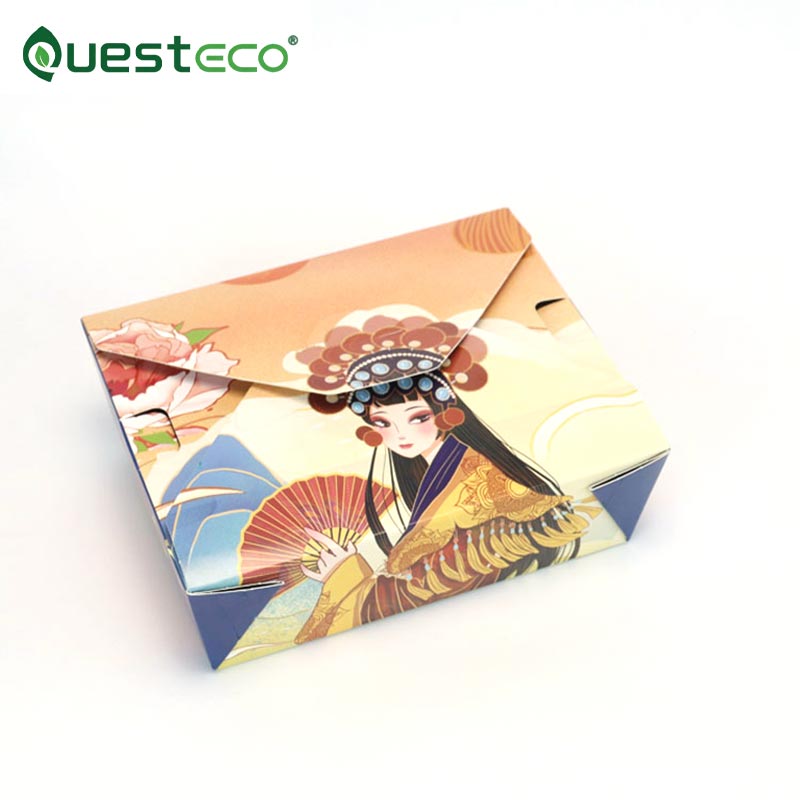
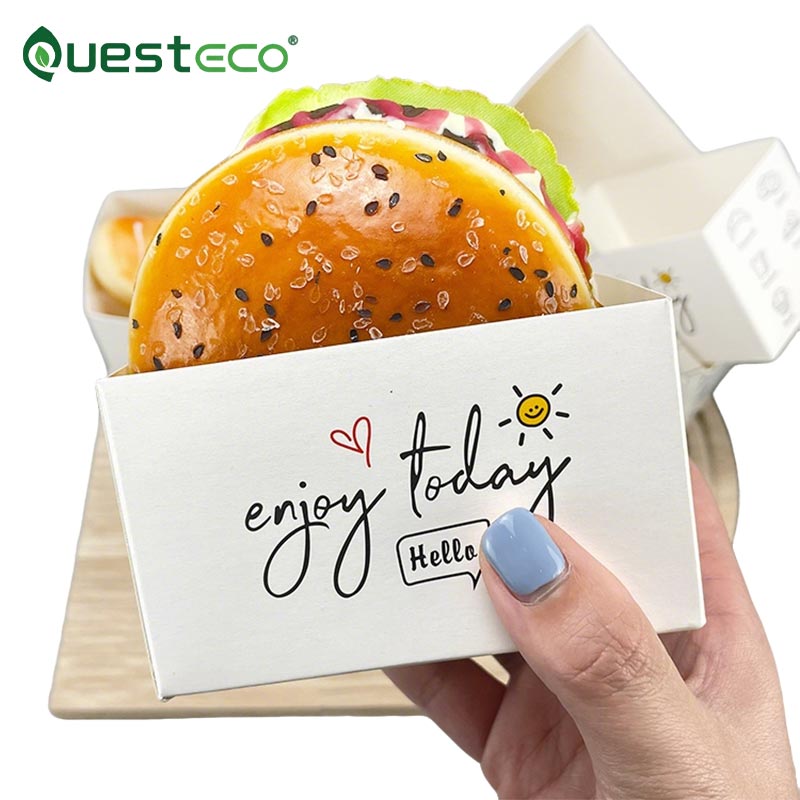
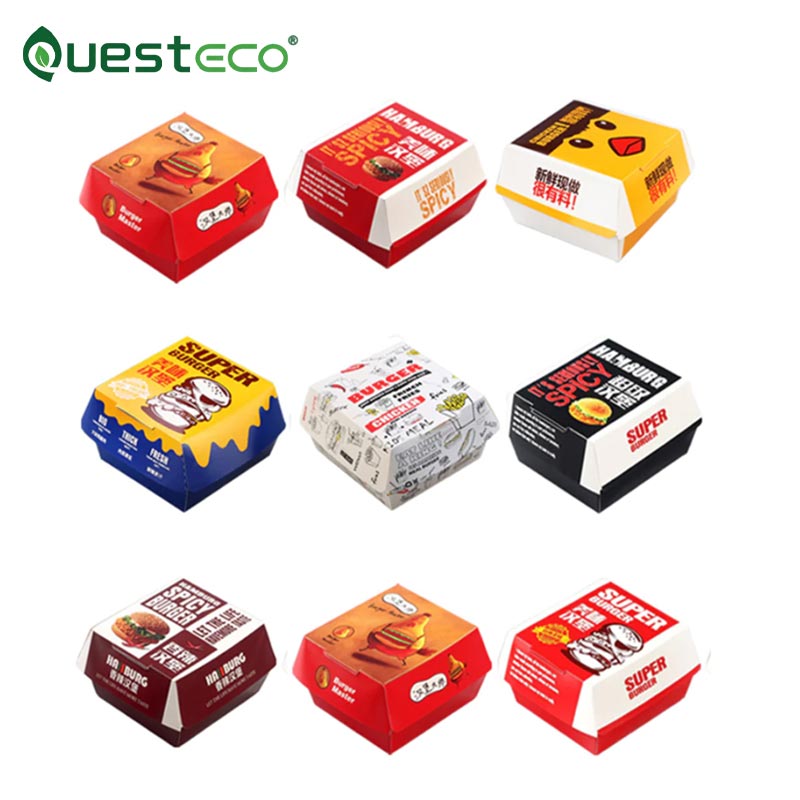
A customized fries chicken box can include a company logo, brand name, product information, promotional messages, social media details, QR codes, or simple visual graphics. Consistent packaging across different menu categories can also make a food brand look more established.
- Logo placement: Keep the primary logo visible without overcrowding the package.
- Brand colors: Use consistent colors to support recognition across packaging and other marketing materials.
- Promotional messaging: Short offers or campaign messages can turn packaging space into a communication channel.
- QR codes: Restaurants can use them to direct customers toward menus, ordering platforms, loyalty programs, or social media.
- Product identification: Printed labels or graphics can help staff identify different food packages quickly.
For businesses ordering customized packaging, it is important to confirm artwork specifications, printing method, color requirements, dimensions, and proofing procedures before mass production.
How Can Buyers Choose a Reliable Packaging Supplier?
Selecting a supplier should involve more than comparing quotations. A packaging partner needs to understand the application, maintain consistent production standards, communicate clearly, and support customization when required.
Wenzhou City Qingchen Packaging Co., Ltd. can be considered by buyers looking for a packaging manufacturing partner for customized food packaging requirements. When evaluating any supplier, buyers should discuss the intended food products, dimensions, material requirements, printing needs, order quantity, packaging method, and delivery schedule in advance.
- Ask for detailed material and size specifications.
- Request samples before committing to large-volume production.
- Test the box with the actual food products.
- Confirm printing artwork and color requirements.
- Discuss minimum order quantity and production lead time.
- Clarify packaging, carton quantity, and shipping requirements.
- Ask how production quality is monitored.
- Confirm communication procedures for design or specification changes.
A good supplier should also be willing to discuss practical problems instead of simply accepting an order specification. For example, if a proposed box is likely to trap excessive moisture or provide insufficient structural support, discussing these concerns before production can prevent costly modifications later.
What Common Purchasing Mistakes Should Be Avoided?
Packaging problems are often caused by decisions made before production begins. Avoiding a few common mistakes can significantly improve the final result.
- Choosing only by unit price. A lower quotation may become expensive if the packaging causes leakage, product damage, or customer complaints.
- Skipping sample testing. Paper specifications cannot fully predict how a box will perform with hot fried food.
- Ignoring delivery time. A box that works well for immediate takeaway may require different ventilation or structural considerations for long-distance delivery.
- Using unsuitable dimensions. Packaging should be designed around the actual portion size and food arrangement.
- Overcomplicating the structure. A visually interesting design may still be impractical if kitchen staff need too much time to assemble it.
- Approving artwork without careful checking. Incorrect logos, dimensions, text, or colors can become costly once mass production begins.
Where Can Fries Chicken Boxes Be Used?
The application of fries chicken boxes extends beyond traditional fried chicken restaurants. Different food businesses can adapt the structure and dimensions according to their menu and service model.
| Business Type | Potential Application | Important Packaging Priority |
|---|---|---|
| Fast-food restaurants | Fried chicken, fries, wings, and meal combinations. | Speed, durability, and consistent portion fit. |
| Takeaway shops | Individual fried food portions. | Convenient handling and presentation. |
| Food delivery brands | Delivery meals and combination orders. | Structure, closure, ventilation, and transport performance. |
| Catering companies | Bulk fried food service and event orders. | Stackability, capacity, and logistics efficiency. |
| Food wholesalers | Packaging supplied to restaurants and food-service businesses. | Stable quality, customization, and production capacity. |
For large-volume buyers, consistency becomes especially important. The box should maintain the same dimensions, folding characteristics, print appearance, and structural performance from batch to batch.
Frequently Asked Questions
A fries chicken box is a food packaging container designed for fried chicken, fries, wings, and similar takeaway foods. Depending on its structure and material, it can be used for dine-in takeaway, pickup, catering, or delivery applications.
Hot fried foods release steam. If excessive moisture becomes trapped inside the package, fries and fried chicken can lose some of their crispness. Proper ventilation can help manage condensation, although the ideal design depends on the specific food and delivery conditions.
Yes. Many paper food boxes can be customized with logos, brand graphics, promotional messages, QR codes, and other printed elements. Buyers should confirm artwork requirements and printing specifications with the manufacturer before production.
Measure the actual food portion and consider how the food is arranged inside the package. The box should provide enough space to avoid crushing while minimizing excessive movement during transportation.
Yes. Sample testing is one of the most practical ways to evaluate fit, structure, ventilation, printing, handling, and performance with the actual food products.
Discuss dimensions, material, thickness, food-contact requirements, ventilation, printing, customization, order quantity, packaging method, production lead time, and delivery requirements. Providing detailed information about the intended food application will also help the manufacturer recommend a suitable structure.
Yes. Even a small takeaway operation can benefit from branded packaging because the box becomes part of the customer's overall experience. The appropriate order quantity and customization level should be balanced against the business's budget and expected sales volume.
Final Thoughts: Building a Better Takeaway Experience One Box at a Time
Choosing the right fries chicken box requires more thought than simply selecting a container that fits the food. The ideal packaging should balance food protection, ventilation, oil resistance, structural stability, handling convenience, appearance, and cost.
For restaurants and food-service businesses, the best approach is to define the real packaging problem first. Consider how hot the food will be, how long it will remain inside the box, how it will be transported, how staff will assemble the package, and what kind of brand image the packaging should communicate.
For wholesale buyers and distributors, supplier reliability is equally important. Consistent specifications, clear communication, customization capabilities, sample testing, and dependable production are all important when packaging becomes part of a long-term supply chain.
With the right combination of material, structure, dimensions, ventilation, and printing, a fries chicken box can do more than hold food. It can help protect product quality, improve operational efficiency, reduce packaging-related complaints, and create a more memorable takeaway experience.
Need a Customized Fries Chicken Box?
If you are looking for customized food packaging for fried chicken, fries, takeaway meals, or other food-service applications, Wenzhou City Qingchen Packaging Co., Ltd. can discuss your packaging requirements and help you develop a suitable solution. Share your preferred dimensions, material requirements, printing artwork, order quantity, and application details to get started. Contact us to discuss your custom fries chicken box project and packaging needs.
Packaging specifications should always be confirmed according to the intended food application, applicable food-contact requirements, and the manufacturer's technical recommendations.