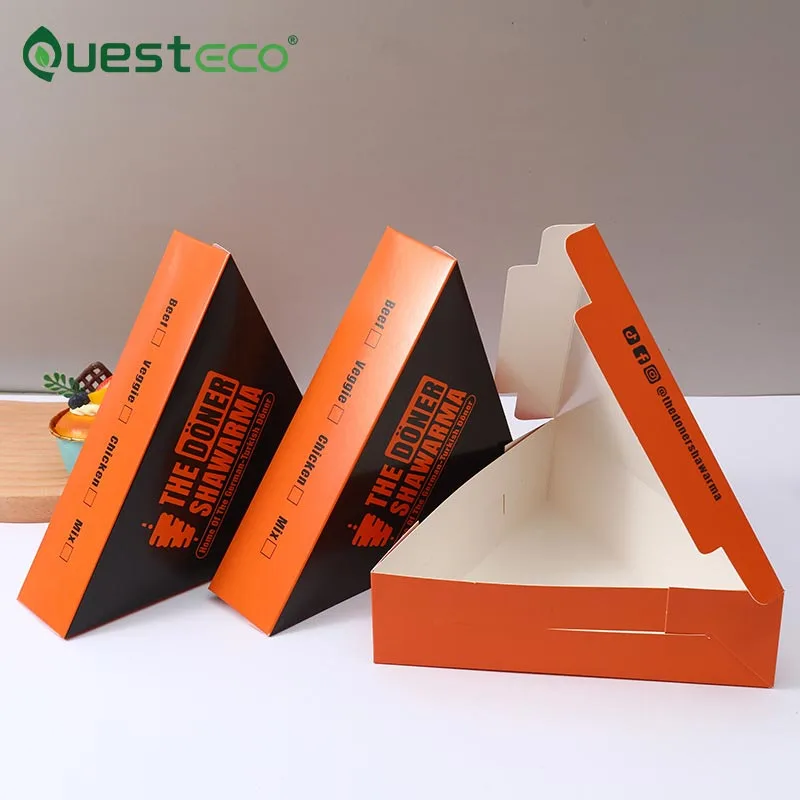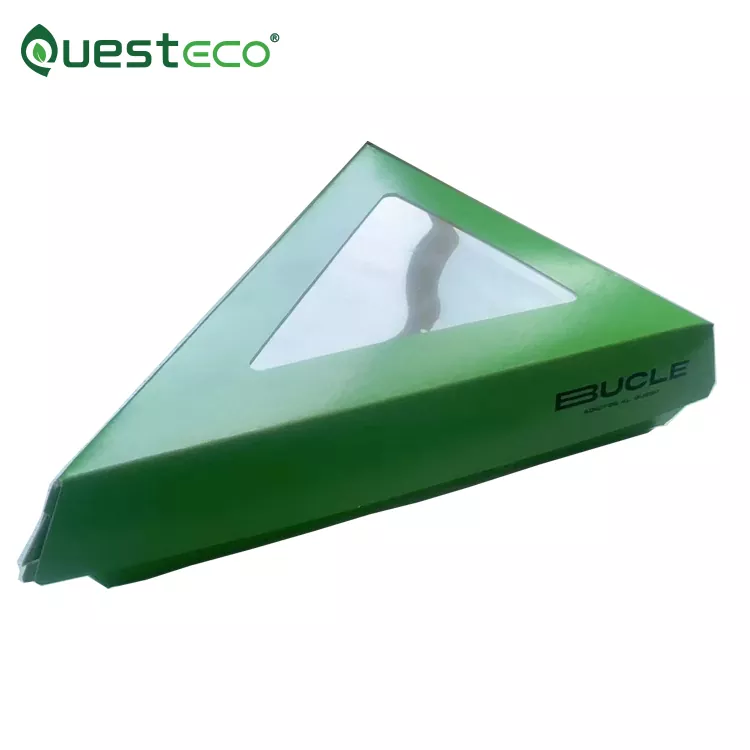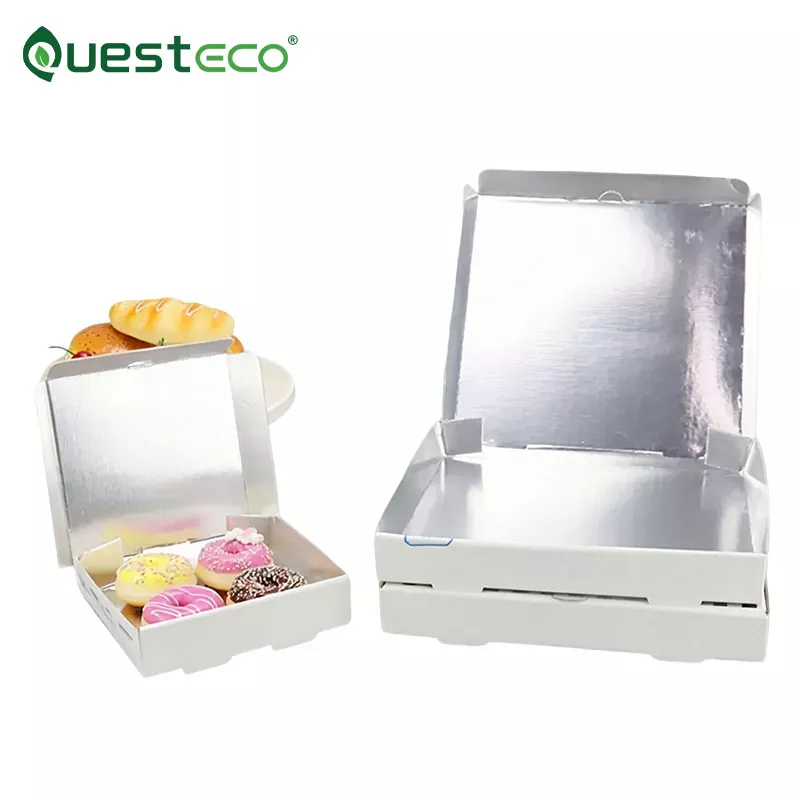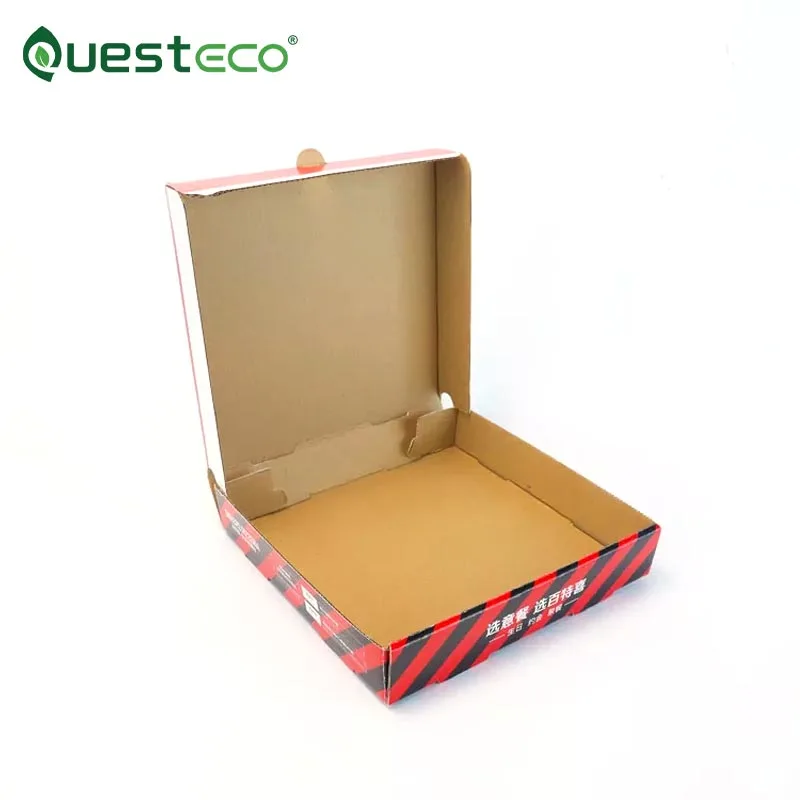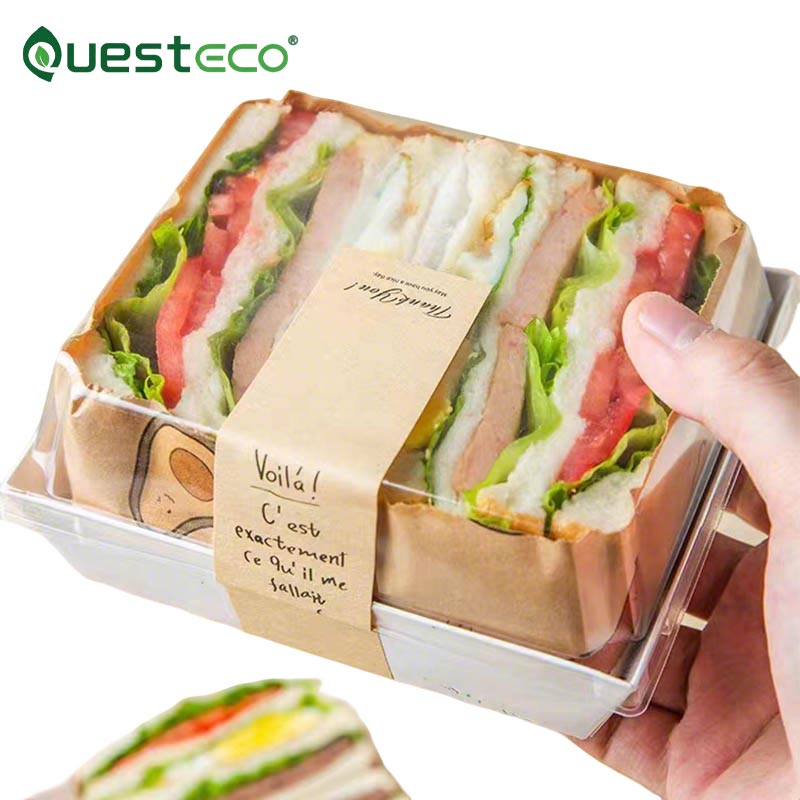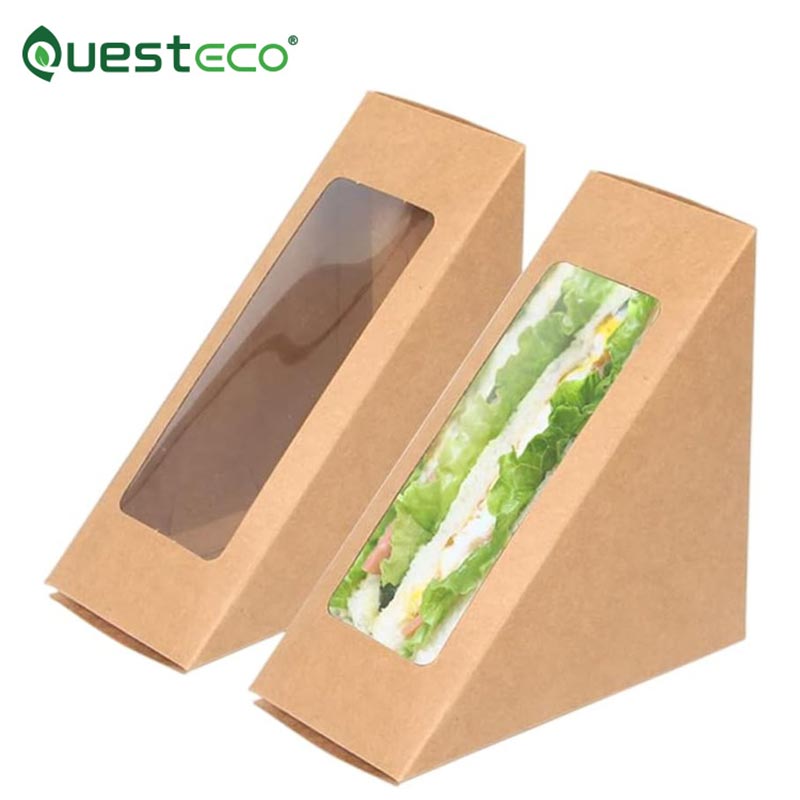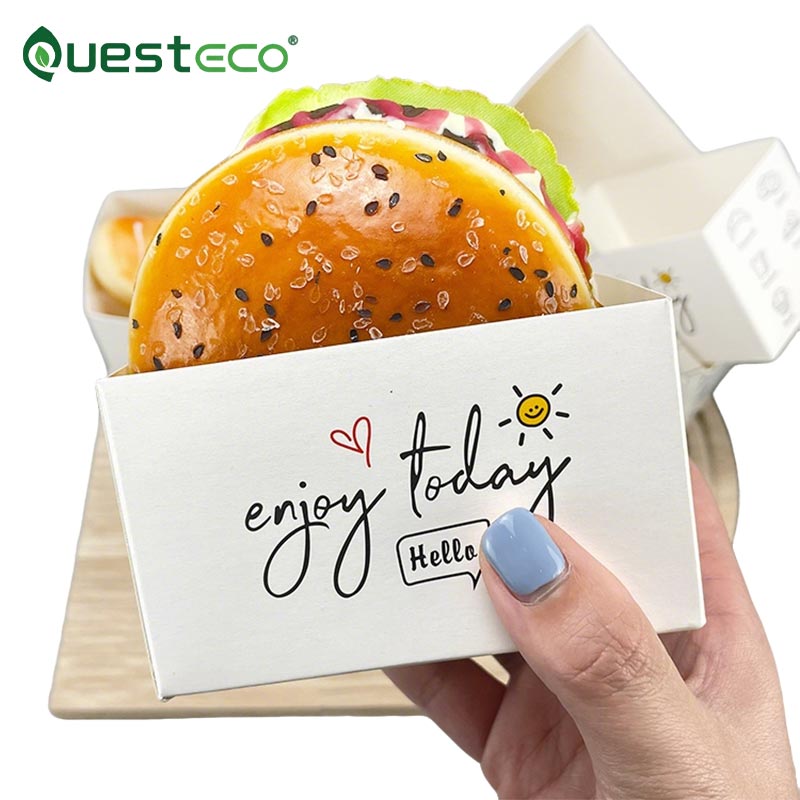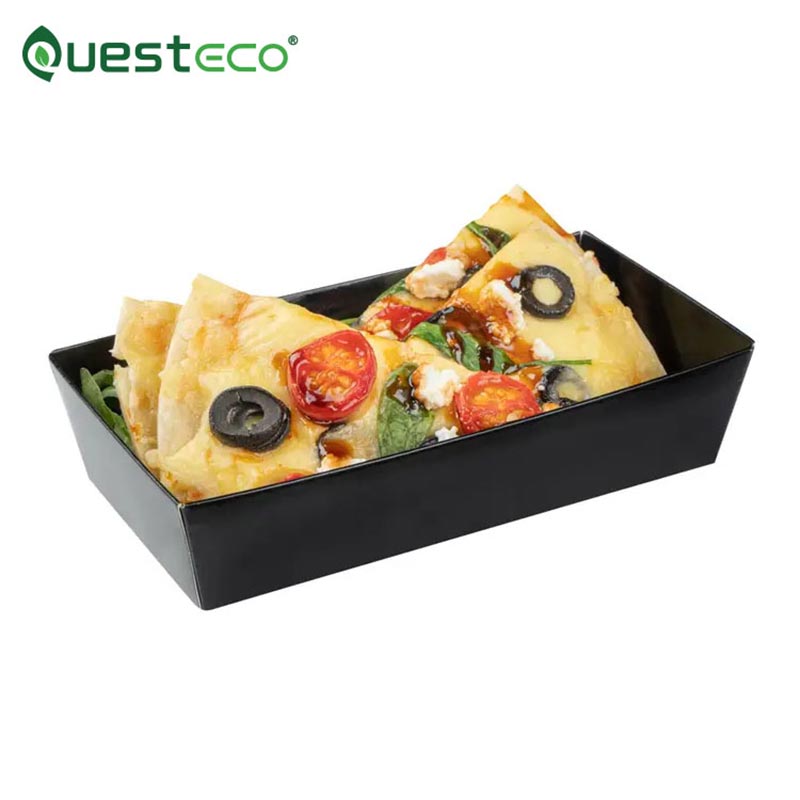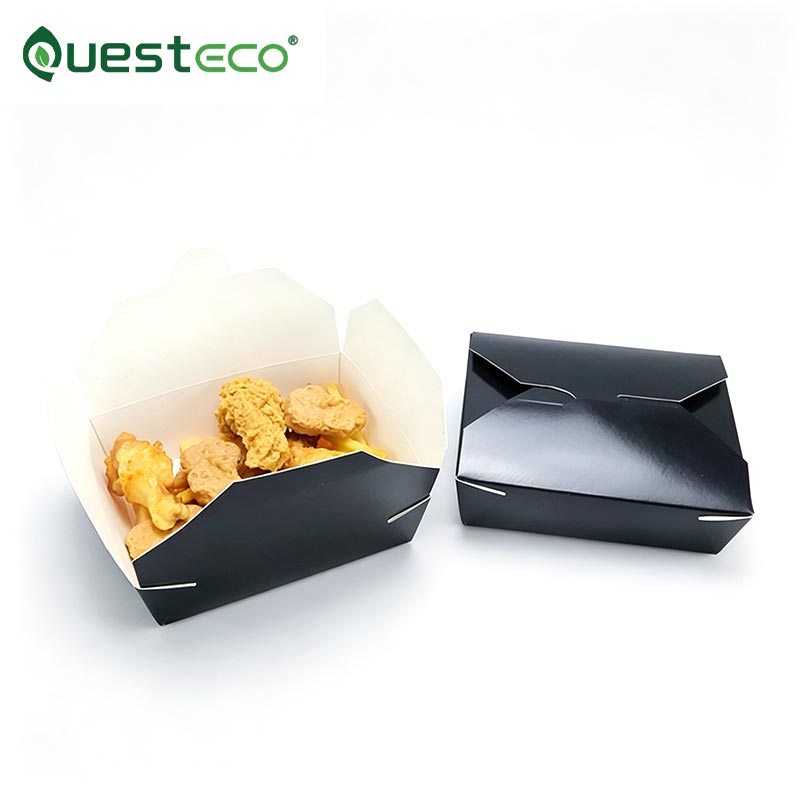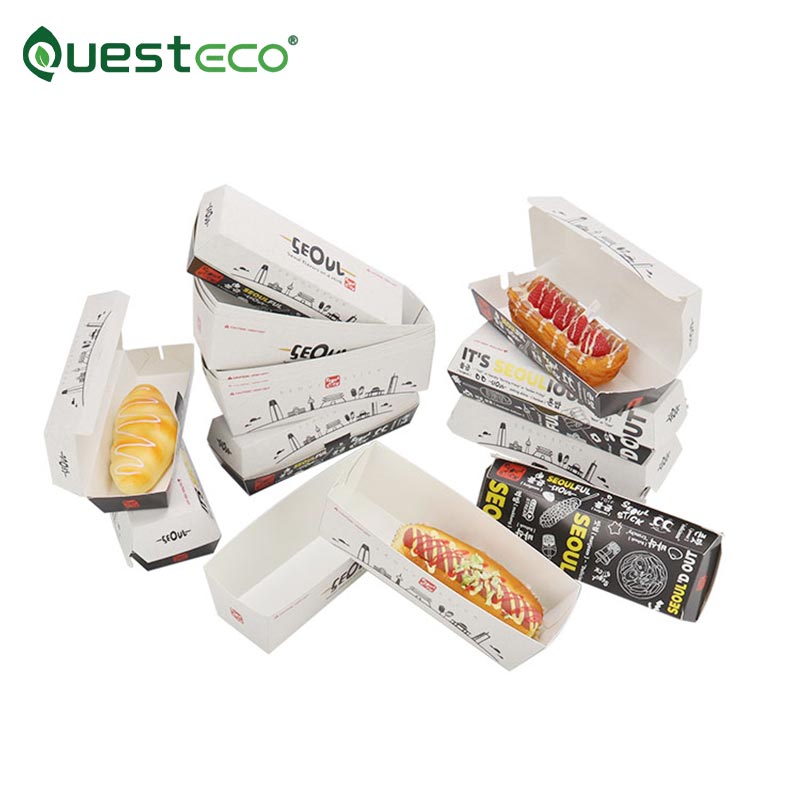
The first thing customers notice when their delivery arrives is the box that holds their meal. A Pizza Box does more than carry a pie from the oven to the doorstep; it preserves heat, manages moisture, and carries your brand message. For pizzerias, food trucks, and restaurants, selecting the right box affects food quality, operating costs, and customer perception. Qingchen has spent years engineering boxes that balance strength, insulation, printability, and cost efficiency. This guide covers product parameters, material choices, sizing, customization options, and common questions to help you make an informed buying decision. Our Pizza Box series includes products such as Single Pizza Slice Box, Triangle Pizza Packaging Box, and so on.
A pizza box is not just a container. It is a thermal chamber, a moisture regulator, a stacking unit, and a marketing surface all in one. When a pizza leaves a 450-degree oven, it immediately begins to release steam. Without proper ventilation or absorption, that steam condenses on the inside lid, drips back onto the crust, and turns a crisp base into a soggy mess. A well-designed box uses corrugated flutes or vent holes to control airflow. The board material also absorbs excess oil without weakening. Qingchen boxes are tested under real delivery conditions with sealed bags, car trunks, and bike couriers to ensure the crust stays as close to oven-fresh as possible after 30 to 45 minutes.
Stacking strength matters more than many operators realize. A weak box collapses under the weight of three or four other boxes, causing cheese to stick to the lid or toppings to slide. Qingchen uses high-edge crush test board and reinforced corner scores so that a stack of ten boxes remains stable. The locking tab on the front panel prevents accidental opening during transport. The rear hinge is creased to open flat without tearing, which makes it easy for customers to use the lid as a serving tray or cutting board.