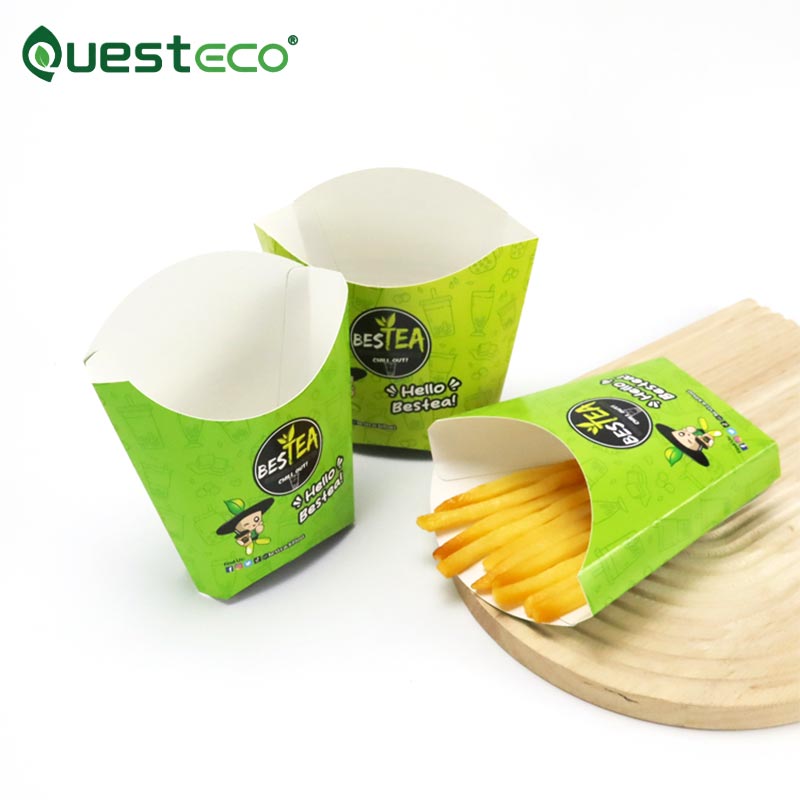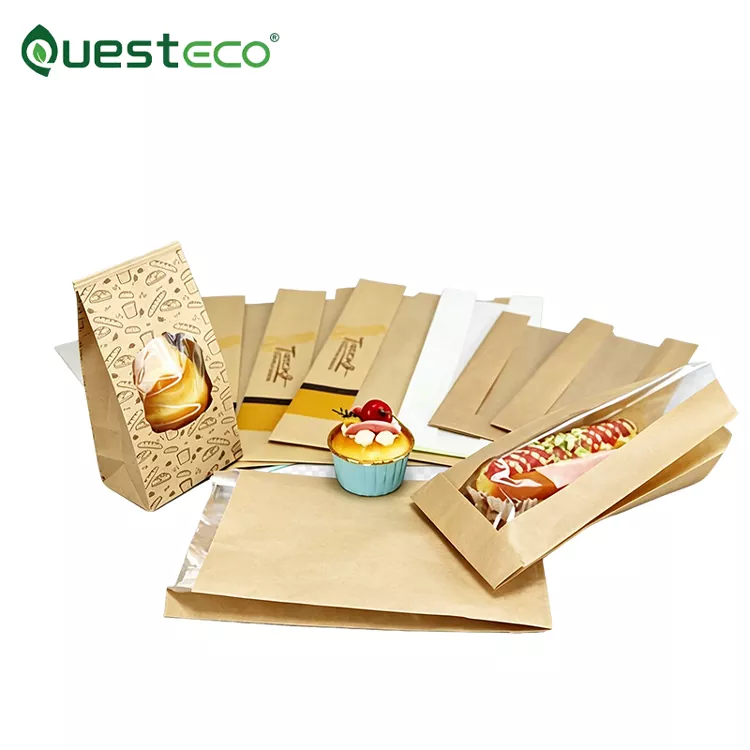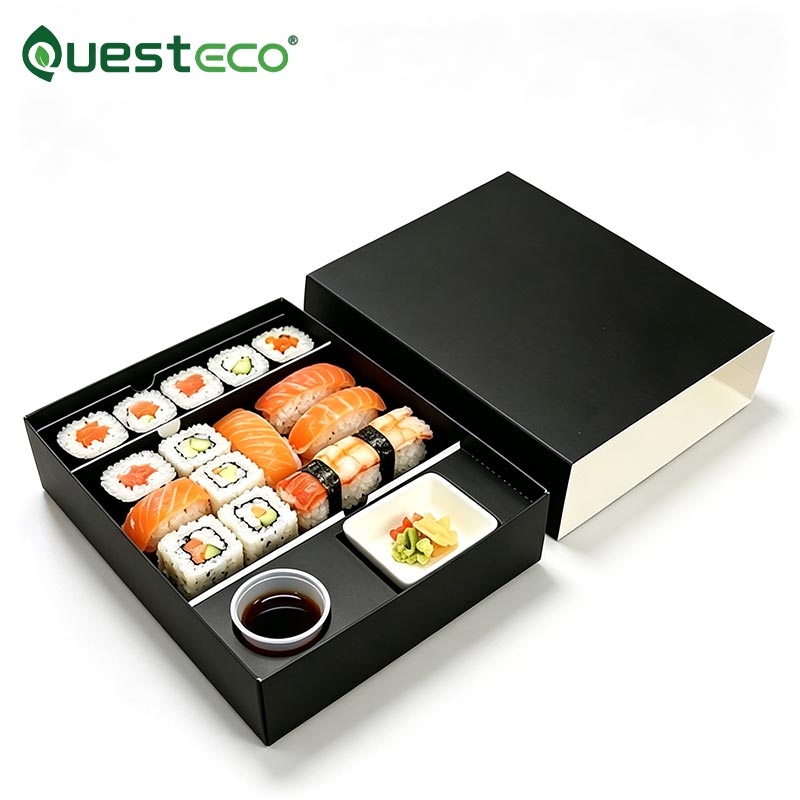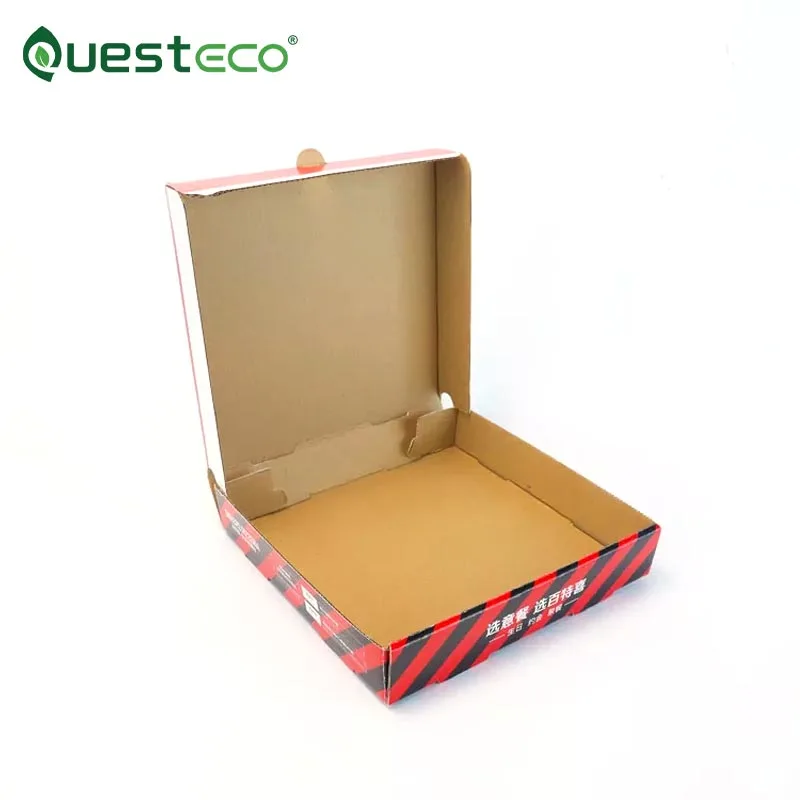

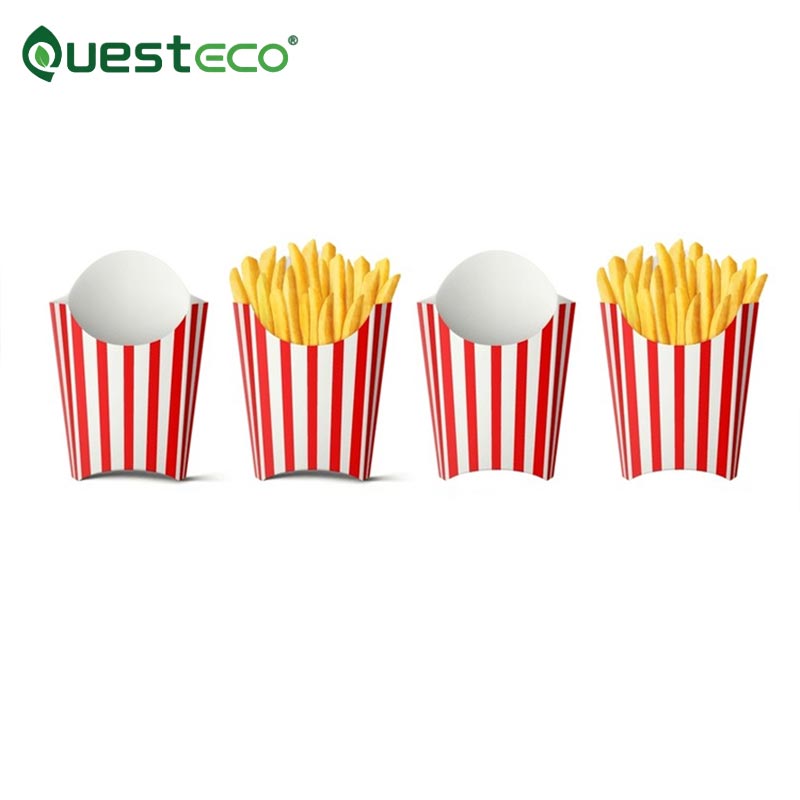
A chips box is more than a container for snacks. It must protect fragile chips from crushing, help control moisture and grease, support efficient storage and transportation, and present the product in a way that builds confidence at the point of sale. The right structure, material, dimensions, printing, closure and interior protection can turn ordinary packaging into a practical brand asset. This guide explains the key considerations for developing chips boxes that balance product protection, appearance, production efficiency and customer expectations.
- 1. Understanding the Role of a Chips Box
- 2. Product Protection Starts with the Box Structure
- 3. Choosing Suitable Materials
- 4. Managing Moisture, Grease and Freshness
- 5. Designing a Chips Box for Better Shelf Appeal
- 6. How Dimensions Affect Packaging Performance
- 7. Production Considerations for Commercial Orders
- 8. Common Chips Box Problems and How to Avoid Them
- 9. A Practical Chips Box Specification Checklist
- 10. Why Work with an Experienced Packaging Manufacturer?
- 11. Frequently Asked Questions
- 12. Final Considerations
1. Understanding the Role of a Chips Box
Snack packaging has to solve several problems at the same time. Chips are lightweight and fragile, and their quality can deteriorate when exposed to moisture, excessive handling or unsuitable storage conditions. At the same time, consumers expect packaging to look clean, attractive and convenient to open.
A well-designed chips box therefore needs to perform as both a protective structure and a communication tool. Its construction should help keep the contents organized during transportation while its outer surface provides space for branding, product information, nutritional details and other required markings.
For manufacturers, retailers and private-label snack brands, packaging also influences operational efficiency. A box that folds efficiently, stacks consistently and uses material economically can reduce unnecessary storage volume and improve packing-line performance.
2. Product Protection Starts with the Box Structure
One of the biggest challenges in chips packaging is preventing physical damage. Chips can break when packages are compressed, dropped or stacked under excessive pressure. A suitable box should therefore provide enough rigidity without adding unnecessary weight or material cost.
Structural design can include reinforced panels, carefully positioned folding lines, locking flaps and internal supports. The exact construction depends on the product format. A small retail pack may require a compact carton, while a larger food-service package may need additional strength for transportation and repeated handling.
Important structural considerations
- Board stiffness: Helps the package maintain its shape during handling and stacking.
- Fold accuracy: Precise creasing makes assembly easier and reduces deformation.
- Closure design: A secure closure helps prevent accidental opening during distribution.
- Internal clearance: Enough space should be provided to prevent excessive compression of the chips.
- Stacking stability: The finished box should remain stable when multiple packages are stored together.
Testing is particularly important when a chips box will travel through multiple distribution stages. Packaging that looks strong on a design screen may behave differently after filling, palletizing and transportation.
3. Choosing Suitable Materials
Material selection influences the appearance, rigidity, print quality, cost and functional performance of a chips box. Paperboard is widely used for printed food cartons because it can provide a combination of structural support and a suitable surface for graphics.
The correct material should be selected according to the food-contact requirements and the intended packaging construction. Food-contact materials are subject to requirements that can vary by market and intended use. In the United States, the FDA explains that food-contact substances can include packaging components and that the regulatory status of a finished material depends on the substances used and their intended conditions of contact.
| Material Consideration | Primary Benefit | Important Question |
|---|---|---|
| Paperboard thickness | Controls rigidity and overall structure | Can it withstand expected handling and stacking? |
| Surface finish | Improves visual presentation and tactile quality | Does the finish match the brand positioning? |
| Barrier treatment | Helps address moisture or grease exposure | Is a barrier actually required for the product? |
| Food-contact suitability | Supports safe intended use | Are the selected materials and components appropriate for the target market? |
For commercial projects, buyers should request clear material specifications rather than relying only on descriptions such as “premium paper” or “food-grade board.” A detailed specification provides a more reliable basis for comparison between suppliers.
4. Managing Moisture, Grease and Freshness
Moisture is a major concern for many snack products. Paper and paperboard can absorb moisture, while grease can migrate into unsuitable packaging materials. The result may be a weakened structure, visible staining or a less attractive presentation.
Not every chips box needs the same barrier performance. A dry snack with limited direct contact may have different requirements from a product containing seasoning oils or packaged under warm and humid conditions. Packaging should therefore be matched to the actual product rather than automatically using the heaviest or most complex barrier.
For food-contact packaging, regulatory suitability also matters. The FDA notes that packaging components may require authorization or compliance under applicable regulations, exemptions or effective food-contact substance notifications.
5. Designing a Chips Box for Better Shelf Appeal
Packaging is often the first physical interaction between a snack brand and a consumer. A chips box should therefore communicate the product quickly and clearly. Strong visual hierarchy is more useful than simply adding more graphics.
Elements that deserve careful attention
- Brand identity: Keep the brand name and visual identity easy to recognize.
- Product visibility: Make the flavor or product type immediately understandable.
- Color strategy: Use colors consistently across product ranges to build recognition.
- Typography: Select readable type sizes, especially for important product information.
- Image quality: Product photography and illustrations should remain sharp after printing.
- Finishing: Matte, gloss, embossing or other finishing techniques can create different visual and tactile effects.
Good packaging design should also consider how the box looks from different angles. A package may appear attractive from the front but lose important information when placed sideways on a retail shelf. Brand elements should therefore work across the visible surfaces.
6. How Dimensions Affect Packaging Performance
Dimensions influence much more than appearance. An oversized box may increase material consumption and create unnecessary movement inside the package, while an undersized structure can place excessive pressure on the chips.
The internal dimensions should be developed around the actual filling quantity and product characteristics. Buyers should consider the average product volume, acceptable headspace, filling equipment and closure method before confirming the final box size.
| Dimension Factor | Potential Impact |
|---|---|
| Length and width | Determine the available product area and shelf footprint. |
| Box height | Influences product capacity, stacking and overall visual proportions. |
| Internal clearance | Affects product movement and the risk of breakage. |
| Flat layout size | Influences material utilization and manufacturing efficiency. |
| Folding tolerance | Affects assembly consistency and final appearance. |
For a new project, supplying accurate product dimensions and filling quantities early can significantly reduce repeated sampling and structural revisions.
7. Production Considerations for Commercial Orders
A successful chips box project requires more than an attractive design. The design must also be practical to manufacture. Artwork, dielines, material specifications, printing methods and finishing processes need to work together.
- Confirm the product specifications. Define dimensions, filling quantity and packaging conditions.
- Develop the structural design. Select the box style and folding or locking method.
- Choose the material. Match board properties to strength and food-contact requirements.
- Prepare the artwork. Ensure graphics, text and required information fit the approved dieline.
- Create a sample. Evaluate size, folding, closure and product fit before mass production.
- Conduct functional checks. Inspect appearance, structural performance and packing convenience.
- Approve production specifications. Keep the approved sample and specifications as references for future orders.
This process helps reduce common problems such as incorrect dimensions, misaligned artwork, weak folding points and unsuitable finishing.
8. Common Chips Box Problems and How to Avoid Them
| Problem | Possible Cause | Better Approach |
|---|---|---|
| Chips arrive broken | Insufficient structural support or excessive internal movement | Review dimensions, board stiffness and internal clearance. |
| Box becomes soft | Moisture exposure or unsuitable barrier performance | Assess the product environment and select an appropriate material construction. |
| Graphics look dull | Unsuitable substrate, printing process or finishing | Test the intended artwork and finish on the actual packaging material. |
| Box is difficult to assemble | Incorrect creasing or overly complicated construction | Simplify the structure and validate folding with samples. |
| Packaging costs are too high | Oversized structure, excessive finishing or inefficient material use | Optimize dimensions and select only functional finishing features. |
A recurring mistake is focusing on the lowest unit price before defining the complete specification. A cheaper box that causes breakage, assembly delays or inconsistent printing can create a much higher total cost.
9. A Practical Chips Box Specification Checklist
Before requesting a quotation, prepare a clear specification. This allows manufacturers to understand the project and provide more meaningful recommendations.
- Product name and snack type
- Target filling weight or quantity
- Required internal dimensions
- Preferred box structure
- Material preference or required board specification
- Food-contact requirements for the target market
- Moisture and grease exposure
- Printing colors and artwork requirements
- Surface finish and special effects
- Expected order quantity
- Packaging and shipping requirements
- Target delivery schedule
10. Why Work with an Experienced Packaging Manufacturer?
Custom snack packaging often involves several connected decisions. A supplier needs to understand not only printing but also structural packaging, material behavior, production requirements and quality consistency.
Wenzhou City Qingchen Packaging Co., Ltd. can support buyers looking for customized packaging solutions by focusing on the relationship between product requirements, box structure, visual presentation and manufacturing practicality.
For private-label snack brands, food manufacturers and distributors, this integrated approach can make the development process easier. Instead of treating artwork, materials and box construction as separate tasks, the project can be evaluated as one complete packaging solution.
A capable supplier should also be prepared to discuss sampling, dimensions, printing specifications, production quantities and quality requirements before mass production. Clear communication at this stage can help prevent avoidable problems later in the supply chain.
11. Frequently Asked Questions
What is the main purpose of a chips box?
A chips box protects the snack during handling and transportation while providing a printable surface for branding and product information. Its structure should also support efficient storage and presentation.
Can chips boxes be customized in size?
Yes. Custom dimensions can be developed around the product quantity, chip size, filling method, internal clearance and intended shelf presentation. Accurate product measurements should be provided before structural development.
Does every chips box need a moisture barrier?
No. The requirement depends on the product and packaging conditions. Dry snacks may have different needs from products exposed to oil, moisture, condensation or humid transportation environments.
Can a chips box be printed with a custom brand design?
Yes. Custom printing can be used to display logos, product names, flavors, illustrations, product information and other brand elements. The final printing method should be selected according to the artwork, material and desired finish.
How can I reduce the cost of custom chips boxes?
Start by optimizing the box dimensions, material usage and structural design. Avoid unnecessary finishing features and make sure the selected construction matches the actual product requirements. Ordering at an appropriate production volume can also improve unit economics.
What should I provide when requesting a chips box quotation?
Provide the product type, filling quantity, desired dimensions, box style, artwork requirements, material preferences, expected order quantity, destination market and any special food-contact or barrier requirements. The more complete the specification, the easier it is to develop an accurate quotation.
12. Final Considerations
A successful chips box brings together protection, material performance, practical dimensions, attractive printing and efficient manufacturing. The package should be strong enough to protect fragile snacks, but it should not be unnecessarily heavy or complicated. It should look distinctive on the shelf while remaining practical for filling, storage and transportation.
For brands developing new snack products or upgrading existing packaging, the best results usually come from defining the product requirements first and then developing the box around those requirements. Material, barrier performance, dimensions, closure, printing and finishing should all support the same objective.
With the right packaging partner, a chips box can become more than a protective carton. It can contribute to product presentation, brand recognition, supply-chain efficiency and a more consistent customer experience.
Build a Better Chips Box for Your Brand
Looking for customized chips packaging that balances product protection, attractive presentation and practical production requirements? Wenzhou City Qingchen Packaging Co., Ltd. can help you develop a packaging solution based on your product specifications and market needs.
Share your packaging requirements, dimensions and artwork with us to discuss the next step. Please contact us for a customized packaging solution.